He's A Monster: The CCTV That Finally Saw What Everyone Else Refused To
作者: owner | 发布时间: 2026-05-16
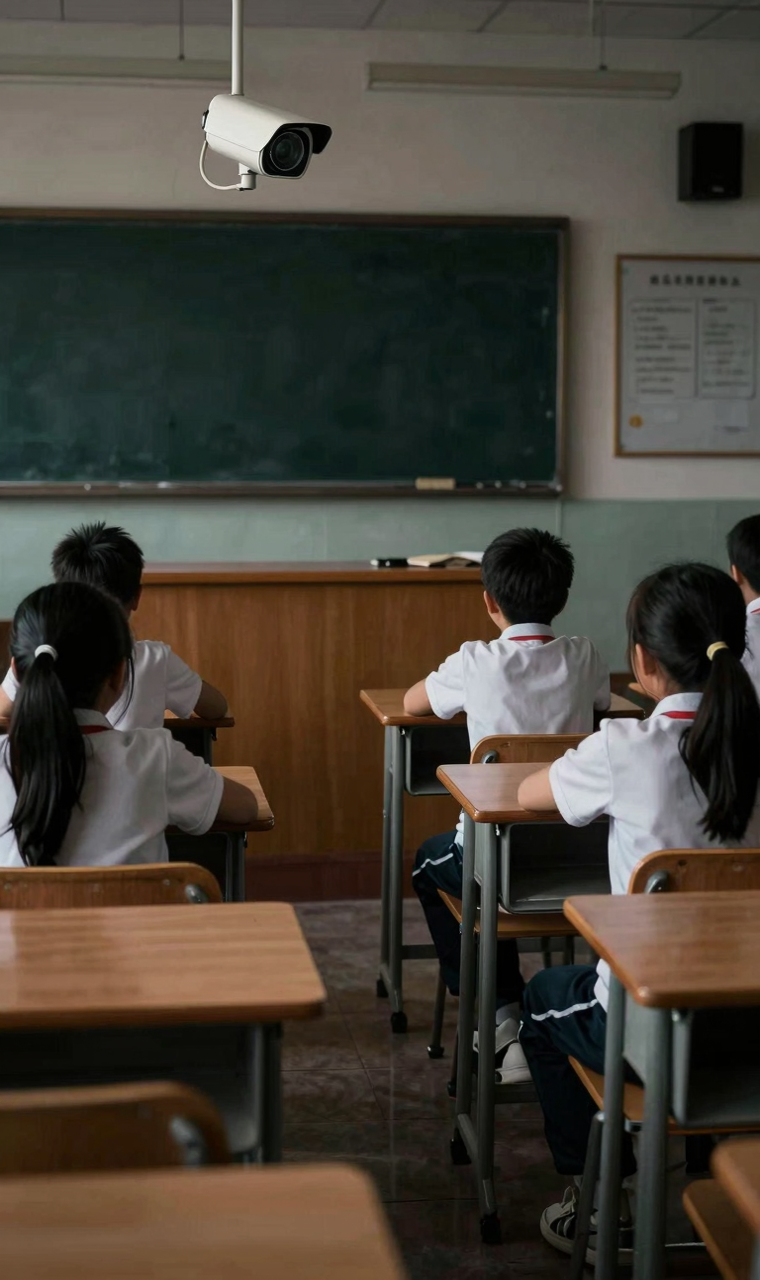
He's A Monster: The CCTV That Finally Saw What Everyone Else Refused To On May 5, 2026, the headmaster of Mathurapur Bagicha Primary School in Assam's Charaideo district sat down to review CCTV footage. He wasn't looking for anything specific. He just had a feeling. What he found would make the word "monster" seem insufficient. Fifty-one-year-old Md. Ariful Islam, a teacher who had presumably been molding young minds for decades, was captured on camera beating students with sticks, forcing some to massage him during class, and in one particularly chilling moment, attempting to push a child toward an open window. "He's a monster," one parent told journalists. The word barely covers it. But here's what no one is asking: why did it take a camera to see what should have been obvious to anyone paying attention? The System That Looks Away The Assam that Ariful Islam operated in is not an anomaly. It's a symptom. Between 2023 and 2026, Assam recorded at least 30 official cases of teacher misconduct—ranging from verbal abuse to sexual harassment. Thirty-five percent involved alleged sexual offenses under POCSO Act. Thirty percent was verbal intimidation. The remainder? Coercion. Misuse of classroom authority. The quiet brutality that happens when adults decide children don't matter. Experts say these numbers are the tip of the iceberg. Many incidents are suppressed until parents or activists intervene. In several cases, school authorities and parents have reached informal settlements rather than pursuing formal action. Because in Assam, making noise is expensive. Especially when you're tea tribe. The tea tribes of Assam are descendants of workers the British brought from present-day Jharkhand, Odisha, and West Bengal in the 1800s to work the tea gardens. Today, 36 tribes—representing over a crore (10 million) people—are still fighting for Scheduled Tribe status. Without it, they are invisible to the government systems that might protect their children. When you don't exist in the system's eyes, neither does your suffering. "Many women who work in the tea gardens face issues during pregnancy. Some of them die even before they reach hospitals as ambulances reach late," one activist told Down To Earth. "Children suffer due to schools being located far away. They have to walk long distances."