The Accountability Fund
作者: owner | 发布时间: 2026-05-20
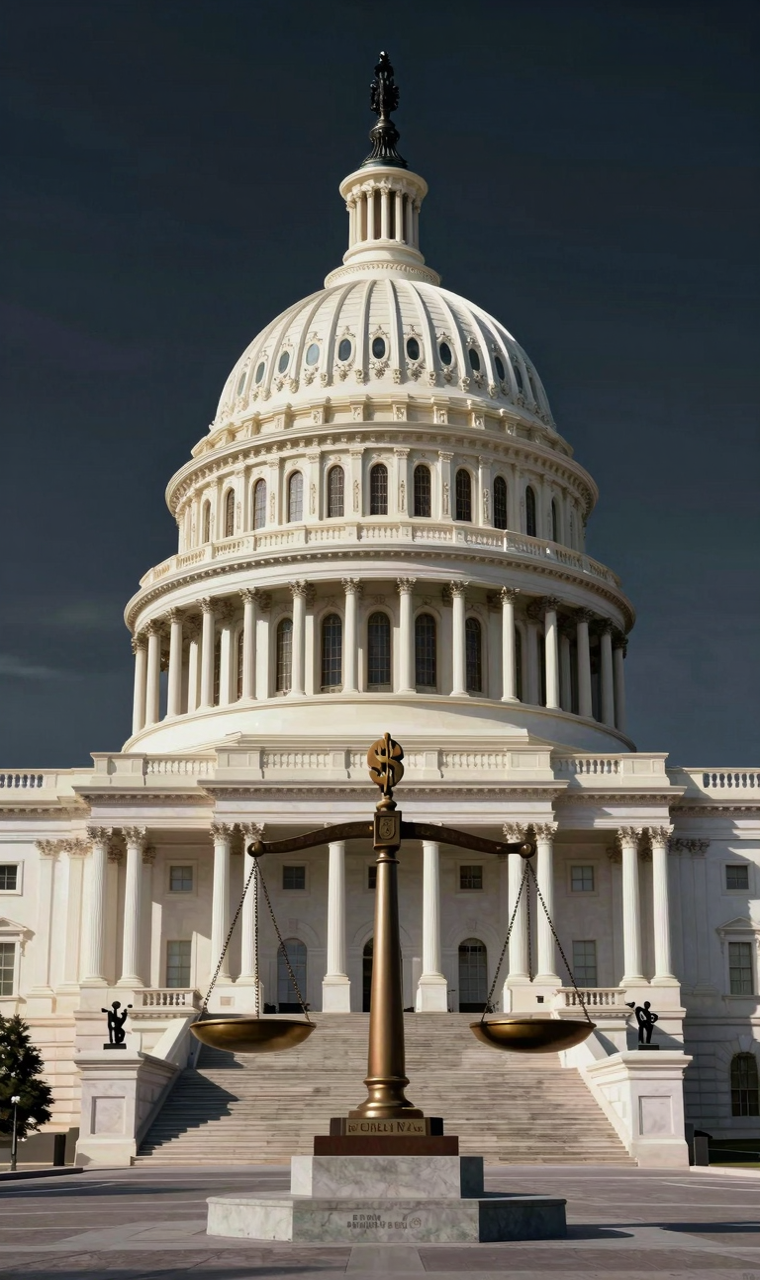
How the Justice Department became a compensation machine for Trump's allies On May 19, 2026, Acting Attorney General Todd Blanche sat before the Senate Appropriations subcommittee and performed a remarkable act of legislative theater. For nearly three hours, he defended a $1.776 billion fund that could pay the very people who stormed the Capitol on January 6, 2021—and he did so with the calm certainty of a man who knew he would face no real consequences. The Justice Department had announced the "Anti-Weaponization Fund" just one day earlier. It would compensate individuals who claimed they were "victims of lawfare and weaponization." The money came from the federal Judgment Fund, a permanent Treasury account used to pay legal settlements against the government. No congressional approval needed. No public hearing required. Just a signature from an Attorney General who once served as Trump's personal lawyer. "Anybody in this country can apply," Blanche told Senator Jeff Merkley when asked whether Oath Keepers or Proud Boys members convicted of assaulting police officers could receive taxpayer-funded payments. "The commissioners will set rules. That's not for me to set." And with that, the transformation was complete. The Settlement That Launched a Thousand Claims The fund emerged from an unusual negotiation. Trump had sued the IRS for $10 billion over the leak of his tax returns—a lawsuit that federal Judge Kathleen Williams had begun questioning for obvious reasons: Trump was suing the very government he leads. DOJ lawyers initially argued the "rule of necessity" justified letting the case proceed, with Trump as both plaintiff and president of the defendants. That argument collapsed under scrutiny. So the administration pivoted to something apparently more palatable: a $1.776 billion compensation fund with the figure itself—a nod to 1776, the nation's founding—tucked into the settlement like a political Easter egg. Under the agreement, Trump would receive a formal apology but no direct payment. His sons and the Trump Organization would get the same. In exchange, the government would create a commission of five members—four appointed by the Attorney General, one selected in consultation with congressional leadership—tasked with reviewing claims from anyone who believed they were improperly targeted for political reasons. The processing deadline: December 15, 2028. Any unspent funds would revert to the federal treasury. Trump, asked about the arrangement at the White House, feigned ignorance. "I didn't do this deal," he said. "It was told to me yesterday." The People Who Could Benefit The DOJ never released specific eligibility criteria. But the implications were obvious from the start. The nearly 1,600 people charged in connection with the January 6 attack—including those convicted of assaulting police officers—had largely been pardoned or had their sentences commuted. Many now claimed they were victims of government overreach. Vice President J.D. Vance, when pressed on whether violent rioters could receive payouts, offered a revealing response. "We do have people who are accused of attacking law enforcement officers," he said. "That doesn't mean that we're going to completely ignore their claims."