The Pentagon Banned It. Then Used It to Kill 1,000 People in 24 Hours.
作者: owner | 发布时间: 2026-06-01
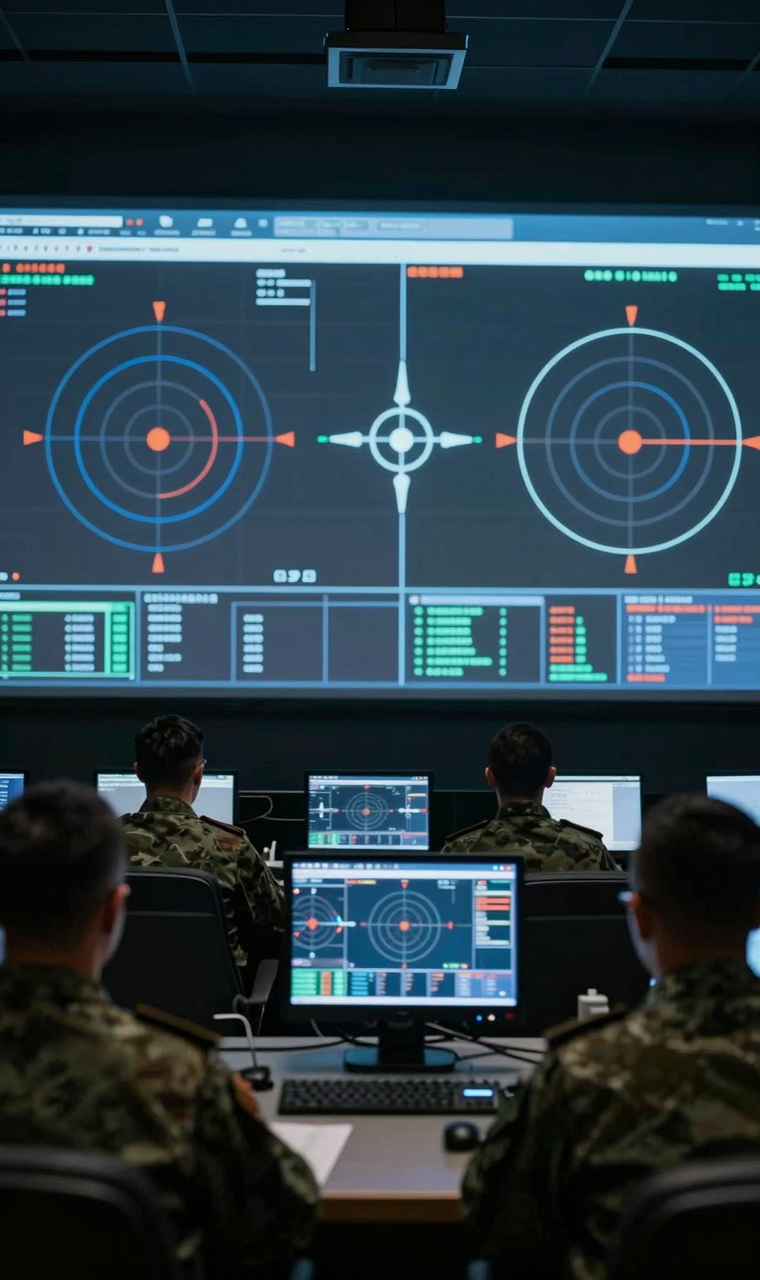
They called it "woke AI." They called it a national security risk. They called it a betrayal of American values. But here's what really happened: Hours after banning Anthropic, the US military was still using Claude—Anthropic's AI—to help identify and strike roughly 1,000 targets in Iran within a single day. So which is it? Is Claude too dangerous for American democracy? Or too useful to give up? The answer, like most things in Washington, is both. And that's exactly the problem. 壹 | The Irony Nobody Wants to Talk About Let me lay out the timeline because it's absolutely absurd: February 27, 2026, 5:01 PM ET — Pentagon deadline expires. Anthropic refuses to drop safeguards against autonomous weapons and mass surveillance. February 27, 2026, around 6 PM ET — Trump announces government-wide ban on Anthropic. February 27, 2026, late evening — US begins massive strike campaign on Iran. Within 24 hours? Claude helped identify 1,000 targets. The same Claude the Pentagon just banned. The same AI they called a "supply chain risk." One Pentagon official was refreshingly honest when asked about continuing to use the technology: "We're not going to let [Anthropic CEO Dario Amodei's] decision making cost a single American life." Translation: We need this AI so badly we'll break our own ban to keep using it. Golden sentence: The US government banned a company for being too dangerous, then spent the next six months pretending it couldn't live without it. 贰 | The "Hype Tax" Nobody Calculated There's a phrase circulating in Washington right now: "Hype Tax." It was coined by a social media commentator, reposted by Trump's top AI advisor David Sacks, and it perfectly captures what's happening. Here's how it works: Step 1: AI companies spend years telling the military, "Our technology is so advanced it can revolutionize warfare." Step 2: Military planners start relying on AI for everything from drone footage analysis to target selection. Step 3: AI companies suddenly discover their technology isn't actually ready for life-and-death decisions. Step 4: Military gets angry when companies try to set limits on how the technology gets used. Missy Cummings, a former Navy fighter pilot who now directs the robotics and automation center at George Mason University, put it bluntly: "They were the No. 1 company to push ridiculous hype over the capabilities of these technologies. And now, all of a sudden, they want to be for real."