The $1 Million That Could Have Saved Them All
作者: owner | 发布时间: 2026-06-02
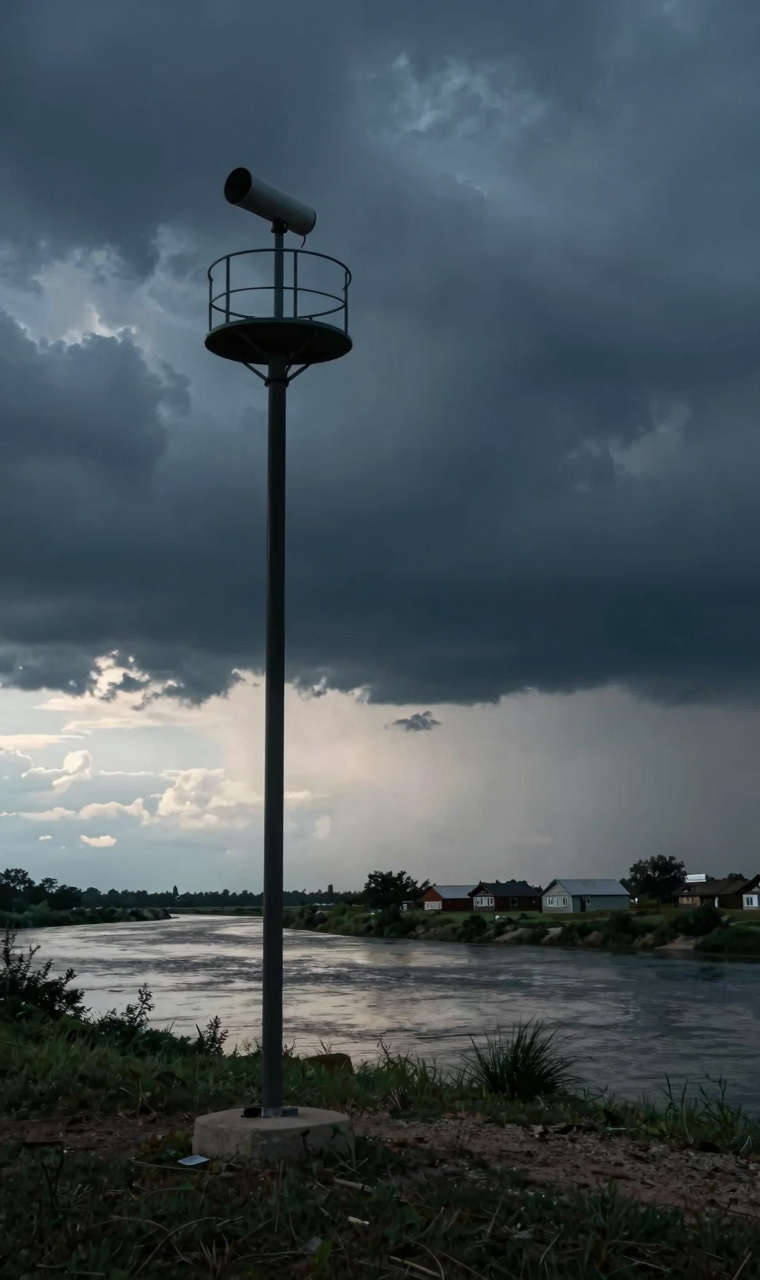
In 2017, Kerr County commissioners held a meeting. On the agenda: whether to spend roughly $1 million on a flood warning system that would have given Camp Mystic and the surrounding communities precious minutes to evacuate before disaster struck. They voted no. The cost was too high, they said. The public wouldn't accept the noise from warning sirens. Besides, the river hadn't risen that high in decades. What were the chances? Two years later, the river would kill 130 people in a single weekend. The question no one wants to answer is this: What if they'd spent the money? Not the abstract question of whether lives could have been saved. That's too large, too painful, too impossible to calculate. I'm asking something smaller, more concrete, more answerable: What exactly was the warning system supposed to do, and how did it fail to exist? The answers reveal a tragedy within the tragedy—a story not just of water and death, but of budget meetings, missed grants, and a decade of small decisions that added up to catastrophe. Here's what happened. After a Memorial Day flood killed people in Kerr County in 2015, local officials finally admitted they had a problem. The Guadalupe River, which runs through the heart of what locals call "flash-flood alley," had a history of rising fast and catching people off guard. A consultant drew up plans for a monitoring system. Sensors at key crossings would track water levels in real time. When the river hit dangerous thresholds, sirens would sound and alerts would go out to phones and emergency services. The estimated cost: about $1 million. That's roughly what the county spends on courthouse security every two years. Or 1.5% of the annual budget. Kerr County commissioners moved forward with a compromise plan—sensors, but no sirens. The public might complain about the noise, they reasoned. Better to leave evacuation decisions to local authorities. Then they started looking for money. The first problem: the grant application failed. The county didn't have a current hazard mitigation plan on file, as federal rules required. Officials hired a consultant to fix the application for the next funding cycle. The second problem: Hurricane Harvey hit Houston in 2017. Federal disaster money went to counties that had actually been declared disaster areas. Kerr County, spared by Harvey, got nothing. The third problem: the city of Kerrville, the county's largest city, declined to participate in a joint grant application. Their share would have been $50,000. Too much, city council members decided. In 2019, Texas voters approved a new flood infrastructure fund—$800 million for projects just like this one. The Upper Guadalupe River Authority applied for $1 million. The state offered a grant of $50,000 plus an interest-free loan for the rest. Too stingy, the authority decided. They turned it down. And so the system that might have saved lives sat unimplemented, year after year, meeting after meeting, decision after decision. Not because anyone wanted people to die. Because $1 million seemed like a lot of money, and the river had been quiet for a while, and there were always other priorities. Until July 4, 2025, when the river came roaring back. Here's the part that keeps me up at night: we don't have to guess what a working warning system would have looked like. We can look at Comfort, Texas, a nearby town that did install sirens after its own floods. When the July 4 waters rose, Comfort's three-minute warning gave residents time to evacuate. No one died there. In Kerr County, there was no siren, no sensor, no automated alert. When the river began its impossible rise—26 feet in a matter of hours, enough water to fill an Olympic swimming pool every few minutes—people slept. Children slept in cabins less than 500 feet from the water's edge.